
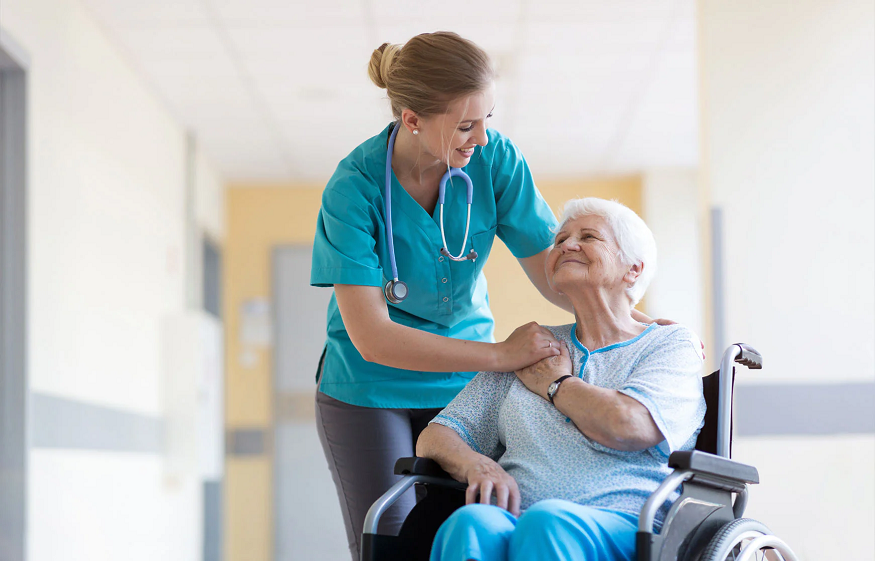
How NDIS Hospital to Home Discharge Support Works
What Hospital to Home Support Involves
Hospital to home discharge support is designed to help NDIS participants transition safely and smoothly from hospital back into their home or a suitable living environment. After a hospital stay, many individuals require additional care, equipment, or adjustments to ensure they can recover properly and maintain their independence. This is where structured Hospital discharge support plays a critical role.
This type of support focuses on coordinating services and putting the right systems in place before discharge occurs. It may include arranging in-home care, organising mobility aids, setting up assistive technology, and ensuring the home environment is safe and accessible. The goal is to reduce the risk of complications, prevent readmission, and provide participants with the support they need during recovery.
Support can also involve liaising with hospital staff, healthcare professionals, and service providers to ensure continuity of care. This coordination ensures that there are no gaps between leaving the hospital and receiving the necessary supports at home. For many participants, having everything organised in advance makes the transition far less stressful and more manageable.
Read More: Eco-Conscious Choices That Actually Work
How the Process Works and What to Expect
The process usually begins while the participant is still in hospital. A discharge plan is developed in collaboration with medical staff, support coordinators, and relevant providers. This plan outlines the supports required once the participant returns home, including personal care, therapy services, and any equipment or modifications needed.
Once discharged, services are put into action immediately to support recovery. This may include assistance with daily activities such as personal care, meal preparation, and mobility, as well as ongoing therapy or nursing support if required. The level of support will depend on the individual’s condition, goals, and NDIS plan.
Read More: Essential Considerations for Mission-Critical Air Transport
Ongoing monitoring is also an important part of the process. Supports may be adjusted as recovery progresses, ensuring the participant continues to receive the right level of care. If additional needs arise, further services can be coordinated to maintain safety and wellbeing.
Effective hospital to home support is not just about short-term care—it’s about setting up a stable foundation for long-term independence. By ensuring all supports are in place from the moment of discharge, participants can focus on recovery while maintaining confidence and control in their daily lives.